
"There is a link between how children breathe at night and the quality
of sleep they experience. Here's what to look for."
Many parents notice the signs of mouth breathing but aren't sure what to make of them.
You may notice restless sleep, snoring, night waking or a child that wakes up tired even after the recommended hours of sleep.
As a result, they may experience daytime fatigue, hyperactivity, struggle to focus/ concentrate or have difficulty regulating their emotions.
What's less commonly known is that mouth breathing may play a role.
For children, the way that they breathe during sleep can be connected to how their airway, jaw, and facial structures are developing. This can understandably have a big impact on them during the day.
Understanding that connection is the first step, and it starts with knowing what to look for.


9 Signs of Mouth Breathing
✓ Lips remain open at rest (even slightly)
✓ Interrupted sleep / night waking
✓Noisy breathing or snoring
✓ Pauses in breath / Gasping during sleep
✓ Dry mouth, cracked lips, bad breath
✓ Drooling on the pillow
✓ Frequent thirst
✓ Waking up tired or irritable
✓ Dark Circles under the eyes
Early assessment can make a real difference, even if the outcome is simply reassurance.
Why Is Nasal Breathing So Important?
The body is designed to breathe through the nose but if that is not possible due to the airway being underdeveloped or the nose is blocked, the body will compensate and switch to mouth breathing.
When you breathe through your nose, the air is warmed, filtered and humidified which can help to reduce congestion, allergies and illness.
In addition, nitric oxide is produced in your sinuses. Nitric oxide helps our bodies absorb oxygen. When you breathe through your mouth, the oxygen is not mixed with nitric oxide – so your body does not absorb the oxygen as efficiently.
Nasal breathing promotes healthy jaw and facial development by encouraging correct tongue posture which guides jaw development.
Nasal breathing supports calm, efficient breathing patterns which help regulate the nervous system.
Nasal breathing improves sleep quality, allowing us to experience deep, restorative sleep and is very important for our overall health.
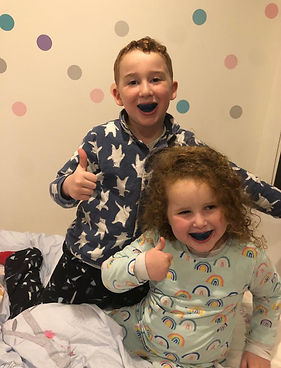
The quality of our sleep has a big impact on us during the day
Sleep plays an important role in:
-
Focus and concentration
-
Learning and memory
-
Emotional regulation
-
Daytime energy levels
When our breathing is not optimal, our body will compensate — this may be shown through restless sleep or teeth grinding.
What Should Parents Do Next?
Not every child who mouth breathes needs treatment.
The most important step is simply understanding why and whether it may be worth exploring further or not.
How the Process Works
Step 1 – Free Parent Information Call
Speak with our friendly patient education team we are here to answer any questions you may have.
Step 2 – Clinical Assessment (If Appropriate)
If it’s suitable, you may be guided toward a consultation with Dr Mark Levi, who can provide personalised clinical advice.
Dr Mark Levi (Dentist)
"Supporting the airway, breathing and sleep to help children thrive"
Dr Mark Levi has over 30 years of experience as a dentist, with more than 20 years focused on dental sleep medicine.
He works with families to improve the quality of their breathing and sleep.

Why This First Step Matters
Many parents aren’t sure whether mouth breathing is something to monitor or explore further.
This call gives you the opportunity to:
Ask questions
Learn what to look for
Understand possible next steps
No pressure. Just clarity.
A simple first step for parents
Book a free information consultation with our patient education team. No clinical assessment, just a clear, helpful conversation.
-
Learn what signs to watch for
-
Understand possible airway factors
-
Decide if an assessment is right for your child

Common Questions
Q: Is this a medical consultation?
A: No, this is an information call to help you better understand your child’s situation.
Q: Will I speak with the dentist?
A: The first call is with our patient education team. If appropriate, they can arrange a consultation with Dr Mark Levi.
Q: Do all children who mouth breathe need treatment?
A: No, every child is different. This is about understanding what may be worth looking into.
Q: Do I need a referral?
A: No referral is needed for the information call.